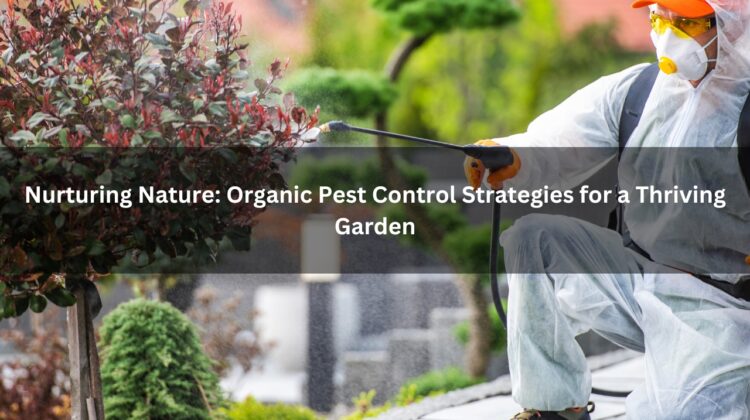
Nurturing Nature: Organic Pest Control Strategies for a Thriving Garden
Introduction:
Gardens are vibrant ecosystems teeming with life, but they can also attract unwanted pests that threaten the health of plants. Organic pest control methods offer effective solutions while preserving the natural balance of the garden. In this guide, we share organic approaches to pest control, empowering gardeners to protect their plants without resorting to harmful chemicals.
1. Companion Planting:
– Pairing pest-repelling plants with susceptible crops can deter pests. For example, planting marigolds alongside tomatoes can deter nematodes, while basil helps repel mosquitoes and flies.
2. Beneficial Insects:
– Attracting beneficial insects like ladybugs, lacewings, and predatory wasps can help control pest populations naturally. Consider planting flowers like dill, fennel, and yarrow to attract these helpful allies.
3. Neem Oil Spray:
– Neem oil is a natural insecticide and fungicide derived from the neem tree. Dilute neem oil in water and apply it to plants to deter pests like aphids, whiteflies, and mites while preventing fungal diseases.
4. Homemade Pest Sprays:
– Create DIY pest control sprays using ingredients like garlic, hot peppers, and soap. Blend these ingredients with water and spray on plants to repel common garden pests such as aphids and caterpillars.
5. Diatomaceous Earth (DE):
– DE is a fine powder made from fossilized algae that acts as a natural insecticide. Sprinkle DE around the base of plants to create a barrier that dehydrates and kills crawling insects like slugs, snails, and ants.
6. Organic Mulch:
– Mulching with organic materials like straw, wood chips, or compost not only retains moisture and suppresses weeds but also creates habitat for beneficial organisms that prey on garden pests.
7. Crop Rotation:
– Rotating crops annually helps disrupt the life cycles of pests and reduces the buildup of soil-borne diseases. Plan your garden layout to rotate crops and minimize pest pressures.
8. Row Covers and Netting:
– Use lightweight row covers or netting to physically protect plants from pests like cabbage moths, carrot flies, and birds while still allowing air, light, and water to reach the plants.
9. Handpicking and Pruning:
– Regularly inspect plants for signs of pest infestation and manually remove pests like caterpillars, beetles, and aphids. Prune affected plant parts to limit the spread of pests and diseases.
10. Encourage Biodiversity:
– Maintain a diverse garden ecosystem by planting a variety of crops, flowers, and herbs. Biodiversity enhances natural pest control by attracting beneficial insects and reducing monoculture vulnerabilities.
Conclusion:
Organic pest control methods offer effective alternatives to synthetic chemicals, promoting the health and sustainability of garden ecosystems. By incorporating these strategies into your gardening practices, you can protect your plants from pests while fostering a thriving and balanced environment for all living organisms in your garden. Embrace the power of nature and nurture your garden with organic care.