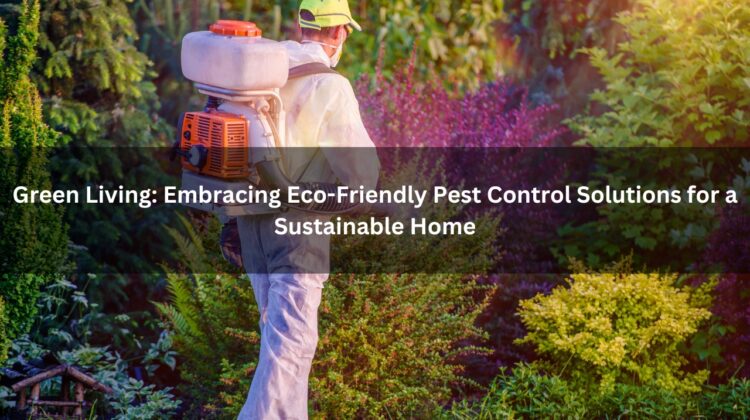
Green Living: Embracing Eco-Friendly Pest Control Solutions for a Sustainable Home
Introduction:
In an era where environmental sustainability is paramount, adopting eco-friendly practices extends beyond recycling and energy efficiency. One often-overlooked aspect is pest control, where conventional methods may harm the environment. This blog explores environmentally friendly pest control solutions, offering a guide to promote a greener and healthier living space.
1. Natural Repellents and Essential Oils:
Harness the power of nature by using natural repellents such as peppermint, citrus, and neem oil. Essential oils like eucalyptus and lavender can act as effective insect deterrents. Simply dilute them with water and spray in areas prone to pests for a fragrant and chemical-free solution.
2. Beneficial Insects:
Introduce beneficial insects like ladybugs, predatory beetles, and nematodes to your garden. These natural predators feed on common pests, acting as a sustainable and self-regulating pest control system.
3. Diatomaceous Earth:
Consider using diatomaceous earth, a fine powder derived from fossilized algae. Safe for humans and pets, it acts as a natural insecticide by dehydrating and damaging the exoskeleton of pests like ants, fleas, and bed bugs.
4. Companion Planting:
Embrace companion planting strategies by cultivating plants that naturally repel pests or attract beneficial insects. For example, planting marigolds can deter nematodes, while basil can help protect tomatoes from certain pests.
5. Cedarwood Products:
Cedarwood has natural insect-repelling properties. Use cedarwood essential oil, or opt for cedarwood-based products like shavings, sachets, or mulch to deter moths, ants, and other insects in a sustainable manner.
6. Homemade Pest Sprays:
Create DIY pest control sprays using common household ingredients like soap, garlic, and chili. These homemade solutions can effectively repel pests without harmful chemicals, promoting a healthier home environment.
7. Biological Pest Control Agents:
Explore the use of biological pest control agents such as beneficial nematodes, microscopic organisms that target soil-dwelling pests, or bacillus thuringiensis (Bt), a bacterium effective against certain insect larvae.
8. Smart Landscaping Practices:
Design your landscaping to minimize pest habitats. Choose native plants, implement proper drainage, and space plants appropriately to reduce the risk of pest infestations.
9. Educational Outreach:
Share eco-friendly pest control practices with neighbors and community members. Collective efforts can create a more sustainable living environment for everyone.
10. Professional Eco-Friendly Pest Control Services:
Consider engaging professional pest control services that prioritize eco-friendly methods. Certified professionals can assess your home, recommend sustainable solutions, and implement targeted treatments that pose minimal environmental impact.
Conclusion:
Eco-friendly pest control solutions offer a harmonious balance between effective pest management and environmental stewardship. By incorporating these sustainable practices into your home, you not only create a healthier living space for your family but also contribute to a more sustainable and eco-conscious community. Embrace these eco-friendly alternatives, and together, let’s foster a greener future for our homes and the planet.